
Fun Dinosaur Games for Kids
Bebi Family: preschool learning games for kidsEducational
4.8220.00 Reviews
- Version
- 1.01.11
- Installs
- 50.00K
- Age Rating
- Everyone
Screenshots
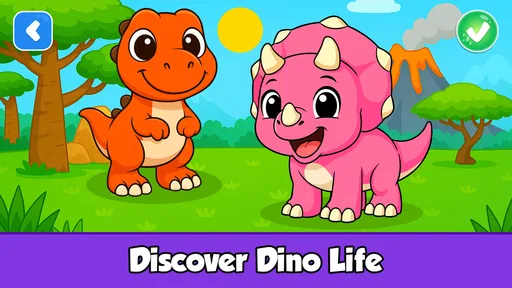
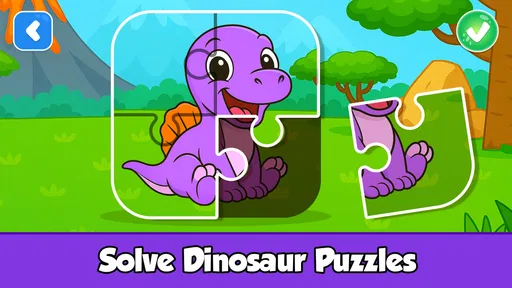
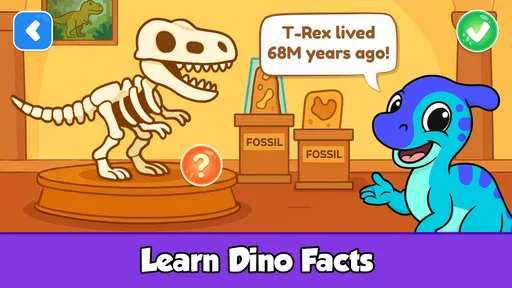
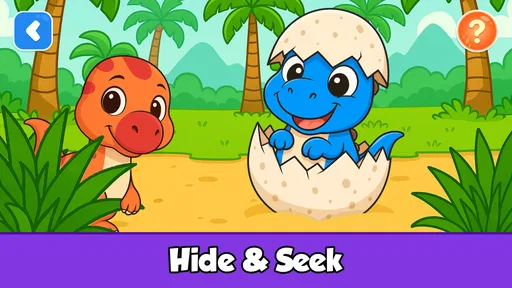
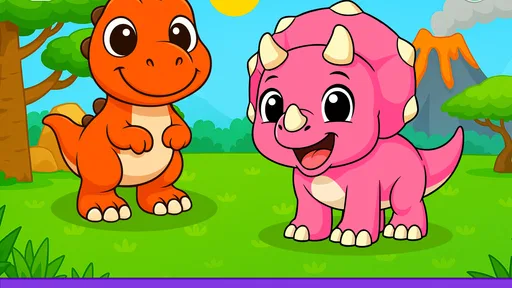
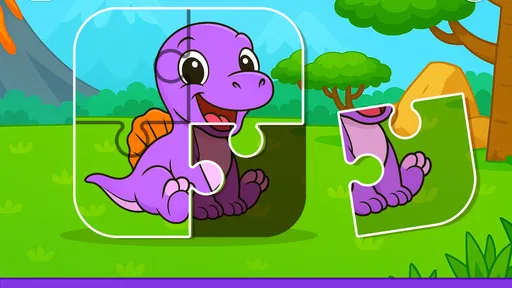
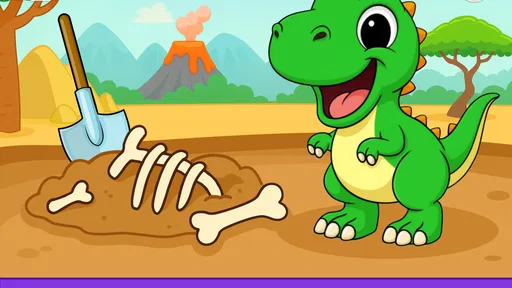
Our Review of Fun Dinosaur Games for Kids
 Analysis by Appyee
Fun Dinosaur Games for Kids is the kind of educational game I can imagine using during a short, supervised play session rather than leaving open for a child to explore indefinitely. Its central idea is simple: dinosaurs provide the setting, while puzzles, matching activities, and other early-learning challenges give the play a purpose. In my experience, that combination works best when a child already enjoys colorful animals and needs a gentle reason to practice recognition, attention, and basic problem-solving.
The game comes from Bebi Family: preschool learning games for kids, a developer focused on early-childhood play. It is free to start, suitable for Everyone, and has reached over 50 thousand installs. Its average rating is 4.8 from around 2.1 thousand ratings, which suggests that many families have found the overall approach appealing. I would still treat those numbers as a starting point rather than a guarantee, because a preschool game succeeds or fails according to a child’s age, patience, and preferred way of learning.
Dinosaurs make the first impression
What stands out immediately is the decision to use dinosaurs as the emotional hook. For a young child, the subject is more inviting than an abstract worksheet or a plain collection of matching cards. A dinosaur gives the activity a small sense of discovery, even when the actual task is familiar. That matters because preschool practice often works better when the child feels they are playing with a theme rather than completing an exercise.
The store presentation describes dinosaur puzzles, matching, and games for toddlers, and that tells me where the experience is meant to sit: at the accessible end of educational play. I would not approach it as a deep dinosaur simulation or as a game built around a long adventure. The appeal is in the recognizable setting and the quick interaction. A child can focus on identifying, pairing, arranging, or completing something without needing to understand a complicated story first.
That makes the opening impression particularly useful for a child who resists traditional learning apps. If a toddler is more willing to tap a dinosaur than a letter or number, the theme can act as a bridge. I would introduce it when the child is alert and curious, not as a solution for a tired child who has already reached the limit of their attention. The dinosaur artwork may attract the first tap, but the clarity of each activity has to keep the session going.
There is also a practical advantage in the game’s narrow focus. A parent does not have to explain a large fictional universe before play begins. The child can recognize the subject quickly and move toward the activity. That low entry barrier is one of the strongest reasons I would recommend trying it with a preschooler who likes animals but is not yet comfortable with more academic-looking software.
A visual world that supports the task
The art direction works best when it keeps the dinosaurs friendly and the play area easy to read. For this age group, visual charm is useful only when it does not compete with the puzzle or matching goal. A busy screen can make a simple task feel harder than it is, while a clear arrangement lets a child understand what to do through observation instead of constant adult instruction.
I see the dinosaur setting as a kind of visual language. Familiar creatures give the child a reason to look closely, while repeated shapes and colors can help them notice relationships between pieces. This is more valuable than simply decorating the screen. When the artwork points attention toward the object that needs to be matched or placed, it becomes part of the learning design rather than a separate layer of decoration.
One useful way to play is to ask the child to describe what they see before helping them. I might say, “Which dinosaur looks the same?” or “What changed between these two pictures?” That turns a quick tap into a short conversation about color, shape, position, and memory. The game does not need to carry the whole teaching burden; its visual world can give a parent an easy starting point for language practice.
The trade-off is that a dinosaur theme will not appeal equally to every child. Some preschoolers prefer vehicles, animals without fantasy associations, music, or open-ended drawing. If the child ignores dinosaurs after a few attempts, I would not interpret that as a learning problem. The theme is a gateway, not the educational goal itself. A different app may be better when the child’s interest lies elsewhere.
Sound, feedback, and the pace of a short session
Sound is especially important in a game for toddlers because young players often rely on immediate feedback. A clear response after a correct action can help a child connect the tap with the result. The rhythm should feel encouraging without pushing the child through the activity too quickly. I prefer this kind of measured pace for preschool play because it leaves room for the child to look, think, and try again.
I would use the game differently depending on the environment. At home, sound can make the experience feel more lively and help a child notice that an action was accepted. In a waiting room, during travel, or near a sleeping sibling, I would lower the device volume and stay close enough to observe whether the child understands the visual response. The game’s value should not depend entirely on loud effects or constant stimulation.
A short session also protects the mood. Dinosaur puzzles and matching activities are a good fit for a few minutes of focused play, especially between ordinary routines such as getting dressed and leaving the house. I would avoid presenting it as a reward that must last a long time. When the child begins tapping randomly, asking for help with every move, or looking away, the useful part of the session is probably over.
This pacing creates a calm middle ground between a passive video and a demanding lesson. The child has to make choices, but the choices remain approachable. That is a meaningful distinction. A video may hold attention without requiring a response, while a more advanced educational game may create frustration. Here, the dinosaur theme and short activities can keep interaction light while still asking the child to notice and decide.
Why the mechanics fit early learning
The strongest mechanical match is between the game’s simple dinosaur activities and the way preschoolers learn through repetition. Matching can encourage visual comparison, while puzzles can support sequencing, shape awareness, and persistence. I would not expect a single session to produce a measurable academic result. The benefit is more modest and more realistic: repeated, low-pressure practice in looking carefully and completing a small goal.
For a child who is still developing fine motor control, the important question is not whether every move is perfect. It is whether the interaction gives them a fair chance to understand the task and try again. I would sit beside a younger toddler at first, especially if the child tends to tap everywhere rather than inspect the screen. My role would be to point out the relevant detail, then let the child make the final choice.
An effective routine is to begin with one activity, play until the child completes a few attempts, and then stop before the theme becomes tiring. On another day, I would return without turning the previous result into a test. This approach makes the game a repeatable part of a routine rather than a one-time novelty. It also lets a parent notice whether the child is improving in attention or simply memorizing a familiar arrangement.
Another useful technique is to delay assistance. If a child chooses the wrong dinosaur, I would give them a moment to inspect the screen instead of immediately correcting them. I might describe the difference in plain language, such as size, color, or position, and then let them try again. That small pause turns the game into guided reasoning. It is one of the less obvious benefits of a simple interface: the adult can add the explanation without taking control away from the child.
The game is less suitable for children who want a large sense of progression, character development, or complex strategy. Its educational category and toddler-friendly premise point toward accessible practice, not an advanced challenge. Older children may finish the activities quickly or find the interaction too repetitive. In that situation, a more structured learning app or a richer dinosaur game would probably provide better long-term engagement.
Free access and the practical question of purchases
The game is free, which makes it easy to test without committing money first. That is useful for families who want to see whether the dinosaur theme actually holds a child’s interest. In-app purchases are listed at $2.99 per item, so I would check the purchase flow myself before handing the device over. Even a low individual price deserves adult attention when a child is playing independently.
I would also make a simple rule clear: the game is for choosing and solving, not for opening every available option. That keeps the child focused on the activity and gives the parent a chance to decide whether any extra content is worthwhile. The free starting point is a genuine advantage, but it does not automatically mean the full experience will feel equally satisfying without optional purchases.
The current version is 1.01.11, and the minimum operating system is Android 7.1. That makes the game relevant to families using an older Android device, provided the device meets that requirement. I would still try it on the actual phone or tablet before planning a trip around it, because a child’s experience depends on screen size, touch response, and how comfortably they can hold the device. The game is listed for Android; families looking specifically for an iPhone or iPad experience should choose an option available for that platform instead.
Everyday uses beyond simple entertainment
One realistic use is a short transition period before leaving home. If I had a child who needed something quiet while a parent finished packing, I could offer one dinosaur puzzle with a clear stopping point. The key would be to announce the limit beforehand and keep the device nearby. That turns the game into a small routine rather than an argument over an unlimited screen session.
It can also work during a calm one-to-one activity with a parent, grandparent, or older sibling. The adult can ask the child to name the dinosaur, describe the matching detail, or explain why two pieces belong together. This makes the game more valuable for vocabulary and communication than it would be if the child simply tapped through without speaking.
For children who become frustrated easily, I would start with the least demanding activity and stop after a successful attempt. The goal is to build confidence, not to force completion of every available challenge. Conversely, a child who solves everything immediately may need a different app that introduces letters, numbers, or more complex reasoning. The right choice depends on whether the game is providing a manageable stretch rather than merely occupying time.
I would not use it as a substitute for hands-on play. Toy dinosaurs, books, drawing, and conversation offer kinds of learning that a screen cannot reproduce. The best role for this game is as one small tool in a broader routine. Its setting can spark a conversation about animals, movement, size, or imagination, then the device can be put away while the child continues the idea offline.
Who should try it, and who should skip it?
I would recommend trying it for a toddler or preschooler who already responds positively to dinosaur imagery and benefits from short, visually guided tasks. It is also a reasonable first experiment for a parent looking for a free educational game that feels more playful than a digital workbook. The Everyone rating supports its broad family positioning, but an adult should still choose activities according to the child’s actual development rather than relying only on the label.
I would be more cautious if the child needs a very specific curriculum, detailed progress reporting, or a clear route through reading and mathematics. This game’s appeal is its theme and accessible interaction, not a promise of comprehensive instruction. Families seeking formal skill tracking or a tightly sequenced lesson plan may get more value from a specialized alternative.
I would also skip it when the child dislikes dinosaur themes, becomes overstimulated by screen play, or expects a story-driven adventure. The game’s strength is focused preschool activity, so it is not the right fit for every young player. A quiet physical puzzle may be better for a child who needs less visual stimulation, while a creative construction game may suit one who wants to invent rather than match.
My atmosphere verdict
After looking at the game as a complete experience, I think its mood comes from the connection between friendly dinosaur imagery, approachable tasks, and a rhythm suited to brief play. The setting gives ordinary matching and puzzle mechanics a reason to feel inviting. That coherence is more important here than novelty. A preschool game does not need complicated systems if its visuals, interactions, and pace all point toward the same calm goal.
My main reservation is that the experience may feel limited for children who outgrow simple activities quickly. I would also keep an adult involved at the beginning, both to judge the difficulty and to make the learning more meaningful through conversation. The free entry point makes that trial easy, while the optional purchases mean parents should remain aware of how the child uses the device.
Overall, I see Fun Dinosaur Games for Kids as a focused educational game rather than a complete learning program. Its best use is a short, supervised session in which a dinosaur-loving child practices observation, matching, and persistence without feeling as though they are doing homework. If that is what you need, I think it is worth trying. If you want deep progression, formal lessons, or a broader range of subjects, I would look elsewhere and keep this one as an occasional themed activity.
For a family choosing among toddler games, my advice is simple: let the child’s interest in dinosaurs decide the first step, then watch how they respond to the actual mechanics. If the child looks carefully, makes choices, and enjoys returning to a small challenge, the game is doing its job. The best results come when the app starts the learning moment, while the adult turns that moment into conversation and real-world play.
Verdict
Strengths of Fun Dinosaur Games for Kids
- Simple controls are suitable for preschoolers and early learners.
- Bright dinosaur designs make the games visually appealing.
- Short activities work well for quick play sessions.
- Offline access allows children to play without an internet connection.
- Educational tasks can help develop memory and hand-eye coordination.
Limitations of Fun Dinosaur Games for Kids
- Some activities may feel repetitive after extended play.
- The app may be too easy for older children.
- Sound effects can become distracting in quiet environments.
- Certain features may be limited without in-app purchases.
- Parents may need to adjust settings before giving it to young children.
Other Releases by Bebi Family: preschool learning games for kids
View All
Baby Puzzle Games for Toddlers
Educational4.7

Baby Games for 1-3 Year Olds
Educational4.5

Bebi: Baby Games for 2-4y kids
Educational4.6

ABC Games: Phonics & Tracing
Educational4.7
Similar Picks in This Category
View All
Little Panda Policeman
BabyBus4.0

Monster Trucks Game for Kids 2
Raz Games4.1

Little Panda's Chinese Recipes
BabyBus4.4

Little Panda's Restaurant
BabyBus4.4

Little Panda's Ice Cream Games
BabyBus4.3

Baby Panda Care
BabyBus3.8
Frequently Asked Questions
What is Fun Dinosaur Games for Kids?
Fun Dinosaur Games for Kids is a child-friendly collection of dinosaur-themed activities designed for young players. It may include simple puzzles, matching challenges, coloring pages, memory games, and interactive dinosaur scenes. The gameplay is generally easy to understand, with bright graphics and familiar controls intended for preschool and early elementary-aged children rather than experienced gamers.
What age group is Fun Dinosaur Games for Kids suitable for?
The app is best suited to younger children, typically preschoolers and early elementary-school players, although the ideal age can vary depending on the child’s reading and motor skills. Most activities are designed around tapping, dragging, matching, and recognizing colors or shapes. Parents should review the available games first to decide whether the difficulty and content are appropriate.
Does Fun Dinosaur Games for Kids require an internet connection?
Some parts of Fun Dinosaur Games for Kids may work without an internet connection after installation, which is useful for travel or limiting online access. However, advertisements, additional content, updates, or certain external links may require connectivity. It is a good idea to open the app once while online, check which activities are available offline, and then adjust the device settings accordingly.
Is Fun Dinosaur Games for Kids safe for children?
The dinosaur-themed activities are generally presented in a playful, non-graphic way, making the app suitable for children who enjoy prehistoric animals. Nevertheless, parents should check the app’s privacy details, advertising behavior, and in-app purchase settings before handing over a device. Enabling parental controls and disabling unauthorized purchases can help create a safer, more controlled experience.
Are there advertisements or in-app purchases in Fun Dinosaur Games for Kids?
The availability of advertisements and in-app purchases depends on the specific version of the app and the platform where it is downloaded. Free children’s games commonly include ads, locked activity packs, or optional paid upgrades. Before downloading, parents should read the store listing carefully, check the purchase requirements, and use device-level restrictions to prevent accidental taps from creating charges.
Play our best games!


